Understanding Peripheral Arterial Disease Symptoms and Treatment
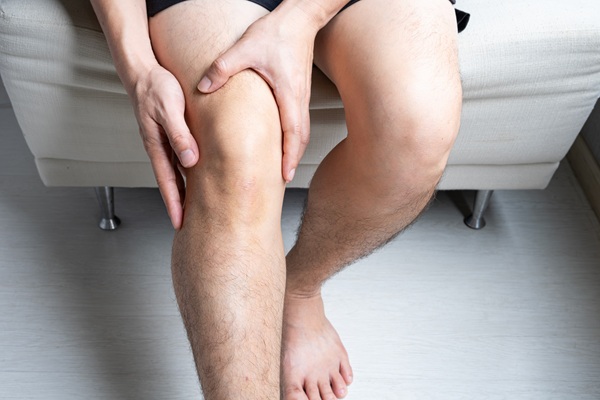
Peripheral arterial disease (PAD) slows or blocks blood flow through the arteries, particularly in the legs. When left untreated, PAD can lead to leg pain, difficulty walking, slow-healing wounds, and, in severe cases, limb-threatening complications. A vascular and interventional radiologist (VIR) can diagnose and treat PAD using advanced imaging and minimally invasive, image-guided procedures. These treatments can restore blood flow while helping patients avoid more invasive surgery and enjoy an overall higher quality of life.
Common symptoms of peripheral arterial disease
PAD often progresses slowly without symptoms. Many patients do not notice changes in their health until the condition is severe. Common symptoms of PAD include:
- Weakness or numbness in the legs
- Cramps in the legs while walking or exercising
- One leg or foot feels colder than the other
- Slowly healing wounds or sores on the feet or toes
- A weak or absent pulse in the legs or feet
- Shiny skin, hair loss, or changes in skin color on the legs
Without treatment, reduced blood flow can lead to chronic wounds, infections, tissue loss, and, in some cases, amputation.
Causes and risk factors
The most common cause of peripheral arterial disease is atherosclerosis, a condition in which fatty deposits build up in the arteries, reducing blood flow. As the arteries narrow, less oxygen and nutrients can reach the legs. Several factors increase the risk of developing PAD, including:
- Smoking or other tobacco use
- Diabetes
- High blood pressure
- High cholesterol
- Being overweight or obese
- A sedentary lifestyle
If a patient has one or more of these risk factors, they are urged to note any changes in their leg health and discuss these changes with a vascular and interventional radiologist (VIR).
Diagnosis and testing
A VIR uses a combination of noninvasive testing and advanced imaging to evaluate blood flow and identify blocked or narrowed arteries.
Ankle-brachial index (ABI)
One of the most common vascular techniques is the ankle-brachial index (ABI). ABI is a straightforward method for comparing blood pressure in the arms and ankles, allowing the VIR to detect blood circulation issues.
Diagnostic imaging technology
Another technique is ultrasound. This diagnostic technology uses sound waves to assess blood flow and identify areas of narrowing or blockage within the vessels. For more advanced imaging, CT angiography (CTA) and MR angiography (MRA) provide detailed pictures of the blood vessels, offering a clearer view of their structure.
Angiography
In some cases, the VIR may recommend catheter angiography. This is a minimally invasive procedure that provides detailed visualization of the patient’s arteries. It also allows the medical professional to administer treatment during the same session when needed.
Treatment options for peripheral arterial disease
Treatment aims to improve circulation, relieve symptoms, prevent disease progression, and reduce the risk of limb loss. In minor cases, VIR may recommend lifestyle modifications, such as quitting smoking, exercising regularly, and controlling diabetes and blood pressure.
However, when symptoms persist, or circulation becomes severely compromised, the VIR may need to perform minimally invasive procedures. For example, during an angioplasty, the VIR can insert and inflate a tiny balloon within the narrowed artery to improve blood flow to the patient. In some cases, the VIR may need to place a stent to help keep the artery open after angioplasty.
Take the next step toward better vascular health
Peripheral arterial disease is a serious but treatable condition. If you are experiencing leg pain while walking, non-healing wounds, or other symptoms of PAD, the ProVascularMD team is here to help. Call us today to learn more about our treatment options and to schedule a consultation.
Request an appointment here: https://applevalley.provascularmd.com or call ProVascularMD at (760) 810-4415 for an appointment in our Apple Valley office.
Check out what others are saying about our services on Yelp: Peripheral Arterial Disease in Apple Valley, CA.
Related Posts
Diabetic neuropathy treatments may be incorporated into diabetes care when nerve symptoms affect comfort, mobility, or daily activities. As the name suggests, diabetic neuropathy is nerve damage related to diabetes, and symptoms can develop gradually. Some people notice tingling or burning sensations, while others experience numbness or loss of feeling in their feet. Knowing the…
Exploring advanced joint pain treatment options aims to provide lasting relief when ordinary wear and tear becomes a chronic issue. Persistent discomfort can signal underlying inflammation that requires specialized attention rather than simple rest. A vascular and interventional radiologist offers modern, minimally invasive solutions that target the root cause of the distress.Here are five signs…
Spider vein treatment is a popular solution for those wanting to address unsightly or uncomfortable veins on the legs. These small, web-like clusters of veins often appear red, blue, or purple and are typically harmless but can cause cosmetic concerns or discomfort. Spider vein treatment from a vascular and interventional radiologist (VIR) can help reduce…
Vascular ulcers develop when blood flow problems prevent skin and underlying tissue from receiving enough oxygen and nutrients to remain healthy and heal effectively. These wounds often appear on the lower legs or feet and can linger for weeks or months without a professional approach. A vascular and interventional radiologist helps identify the specific cause…