The Basics of Vascular Ulcers
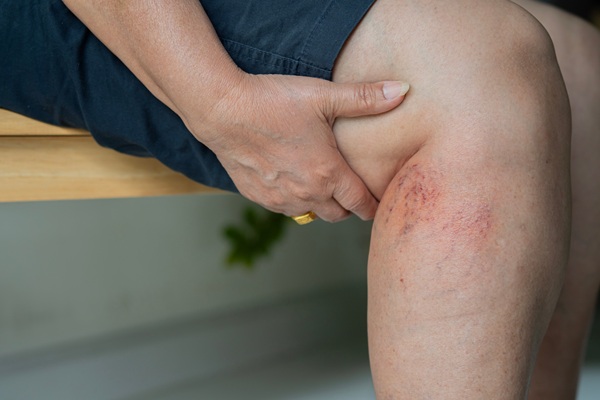
Vascular ulcers develop when blood flow problems prevent skin and underlying tissue from receiving enough oxygen and nutrients to remain healthy and heal effectively. These wounds often appear on the lower legs or feet and can linger for weeks or months without a professional approach. A vascular and interventional radiologist helps identify the specific cause and creates a personalized plan that supports healing while reducing long-term risks to the limb.
Different types of vascular ulcers
Vascular ulcers often indicate circulation problems where the blood struggles to travel back up to the heart. These sores commonly appear near the ankle and often look shallow with uneven, irregular borders. The surrounding skin might feel hardened or look discolored, often taking on a dark brown or reddish hue. This type of wound is frequently the result of high pressure in the leg veins, which pushes fluid into the surrounding skin.
Arterial ulcers, on the other hand, develop when the arteries cannot deliver enough fresh, oxygen-rich blood to the feet and toes. These wounds often have a pronounced look, appearing deeper and more circular than venous sores. The skin on the foot may feel cold to the touch, and the patient often experiences significant pain, especially when the legs are elevated. Because the tissue is starved of oxygen, these wounds require a different clinical approach to restore the necessary blood flow.
Additionally, patients may have a combination of the two types of ulcers, known as mixed ulcers. Mixed ulcers occur when a person has problems with both the arteries and the veins at the same time, making a precise diagnosis integral for a successful recovery. Since the treatment for blocked arteries is different from the treatment for leaky veins, identifying the dominant cause helps avoid long delays in the healing process.
Symptoms and warning signs of vascular ulcers
While a radiologist can confirm the diagnosis, several signs may indicate a vascular ulcer. These include:
- A non-healing wound on the foot, ankle, or lower leg that persists, grows larger, or becomes increasingly painful.
- Drainage, an unusual odor, or increasing redness and swelling.
- Some people also notice heaviness in the legs, cramping, or swelling that point to vein issues.
No matter the symptom, early action helps determine if vascular ulcers are present and what is driving the slow recovery.
Addressing blood flow and supporting the wound
Successful recovery typically combines treatment to improve circulation with specialized wound care to keep the area clean. Addressing the underlying blockage or circulation problem provides the body with the internal tools it needs to finally close the wound. This approach focuses on fixing the root cause rather than relying solely on expensive bandages. The radiologist can craft a coordinated plan to ensure the wound moves forward toward a full recovery and helps prevent the problem from returning in the future.
Schedule an evaluation
Vascular ulcers require more than just surface-level care because a circulation problem is the reason the wound forms and struggles to heal. Identifying the specific type of ulcer is essential because the treatment for a venous ulcer differs from the for an arterial ulcer. If you suspect that you have an ulcer, contact ProVascularMD to schedule an evaluation and receive treatment.
Request an appointment here: https://applevalley.provascularmd.com or call ProVascularMD at (760) 810-4415 for an appointment in our Apple Valley office.
Check out what others are saying about our services on Yelp: Vascular Ulcers in Apple Valley, CA.
Related Posts
Diabetic neuropathy treatments may be incorporated into diabetes care when nerve symptoms affect comfort, mobility, or daily activities. As the name suggests, diabetic neuropathy is nerve damage related to diabetes, and symptoms can develop gradually. Some people notice tingling or burning sensations, while others experience numbness or loss of feeling in their feet. Knowing the…
Exploring advanced joint pain treatment options aims to provide lasting relief when ordinary wear and tear becomes a chronic issue. Persistent discomfort can signal underlying inflammation that requires specialized attention rather than simple rest. A vascular and interventional radiologist offers modern, minimally invasive solutions that target the root cause of the distress.Here are five signs…
Spider vein treatment is a popular solution for those wanting to address unsightly or uncomfortable veins on the legs. These small, web-like clusters of veins often appear red, blue, or purple and are typically harmless but can cause cosmetic concerns or discomfort. Spider vein treatment from a vascular and interventional radiologist (VIR) can help reduce…
Painful neuropathy is a debilitating condition stemming from nerve damage that sends constant, distressed signals to the brain. When left untreated, this discomfort can disrupt the fundamental rhythm of a normal life. Understanding the specific sensations associated with this condition is the first step toward finding a clinical solution that restores comfort. While many individuals…