5 Things You Need to Know About Varicose Vein Treatment
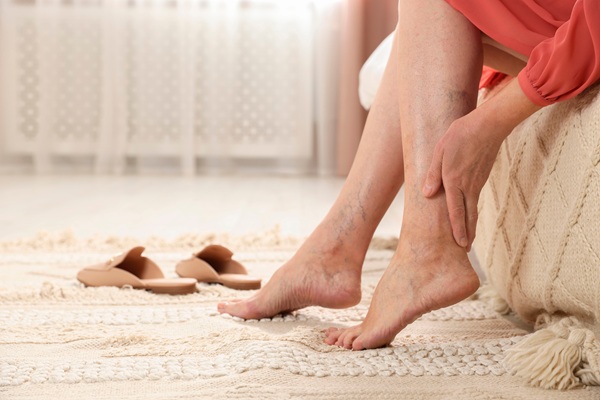
Varicose vein treatment can help reduce leg discomfort, swelling, and visible changes in the veins, but patients should understand how it works before choosing the next step. Varicose veins develop when vein valves weaken and allow blood to pool in the legs. That extra pressure can lead to bulging veins, aching, heaviness, itching, and fatigue that often feels worse after long periods of standing or sitting.
Why treatment may matter
Some people think varicose veins are only a cosmetic issue, but symptoms often affect daily comfort and activity. Legs may feel sore at the end of the day, shoes may fit more tightly due to swelling, and the skin around the ankles may become dry or discolored. In some cases, untreated vein problems can lead to skin irritation or slow-healing sores.
A medical evaluation helps determine whether symptoms are due to varicose veins, chronic venous insufficiency, or another circulatory issue. That exam often includes a physical assessment and an ultrasound, which uses sound waves to show how blood moves through the veins. Once the provider understands the source of the problem, we can match varicose vein treatment to the patient’s symptoms and vein health.
Five key facts
Patients often feel more prepared when they know what to expect from varicose vein treatment. While every care plan differs, these five points come up often during treatment planning.
- Not all varicose veins need the same approach. Some patients improve with compression, exercise, and leg elevation, while others need a procedure to close or remove damaged veins.
- Ultrasound plays a major role. It helps show whether deeper veins are affected and guides the treatment plan.
- Many procedures use small instruments or tiny access points. That means treatment often takes place in an outpatient setting rather than in a hospital.
- Recovery may be shorter than patients expect. Many people return to walking the same day, although they still need to follow post-treatment instructions carefully.
- Treated veins do not carry blood after the procedure. Blood reroutes through healthier veins, improving circulation in the affected area.
Understanding these points can make varicose vein treatment feel less confusing and help patients ask better questions during the consultation.
Treatment options and recovery
Varicose vein treatment may include conservative care, minimally invasive procedures, or a combination of both. Conservative care often includes compression stockings, regular walking, weight management, and avoiding prolonged standing or sitting. These steps support blood flow and may ease symptoms, especially in mild cases.
When symptoms continue, a provider may recommend procedures such as sclerotherapy, thermal ablation, or phlebectomy. Sclerotherapy uses a solution to close smaller problem veins. Thermal ablation uses heat to seal a damaged vein from the inside. Phlebectomy removes surface veins through very small openings in the skin. After varicose vein treatment, patients may need compression garments for a period of time and should stay active with short walks to support healing.
When to take the next step
Patients should not ignore leg pain, swelling, skin changes, or bulging veins that continue to worsen. Varicose vein treatment works best when a provider evaluates symptoms early and develops a plan based on the patient’s circulation, health history, and daily routine. Learning the basics of varicose vein treatment can help patients move forward with clearer expectations and a better understanding of their options. For more information or to schedule an appointment, call our office.
To schedule a consultation, please request an appointment on our website at https://applevalley.provascularmd.com or call ProVascularMD at (760) 810-4415 to arrange an appointment at our Apple Valley office.
Check out what others are saying about our services on Yelp: Varicose Vein Treatment in Apple Valley, CA.
Related Posts
Diabetic neuropathy treatments may be incorporated into diabetes care when nerve symptoms affect comfort, mobility, or daily activities. As the name suggests, diabetic neuropathy is nerve damage related to diabetes, and symptoms can develop gradually. Some people notice tingling or burning sensations, while others experience numbness or loss of feeling in their feet. Knowing the…
Exploring advanced joint pain treatment options aims to provide lasting relief when ordinary wear and tear becomes a chronic issue. Persistent discomfort can signal underlying inflammation that requires specialized attention rather than simple rest. A vascular and interventional radiologist offers modern, minimally invasive solutions that target the root cause of the distress.Here are five signs…
Spider vein treatment is a popular solution for those wanting to address unsightly or uncomfortable veins on the legs. These small, web-like clusters of veins often appear red, blue, or purple and are typically harmless but can cause cosmetic concerns or discomfort. Spider vein treatment from a vascular and interventional radiologist (VIR) can help reduce…
Vascular ulcers develop when blood flow problems prevent skin and underlying tissue from receiving enough oxygen and nutrients to remain healthy and heal effectively. These wounds often appear on the lower legs or feet and can linger for weeks or months without a professional approach. A vascular and interventional radiologist helps identify the specific cause…